Voyage | Global Freight Forwarding | Supply Chain Solutions


Introduction
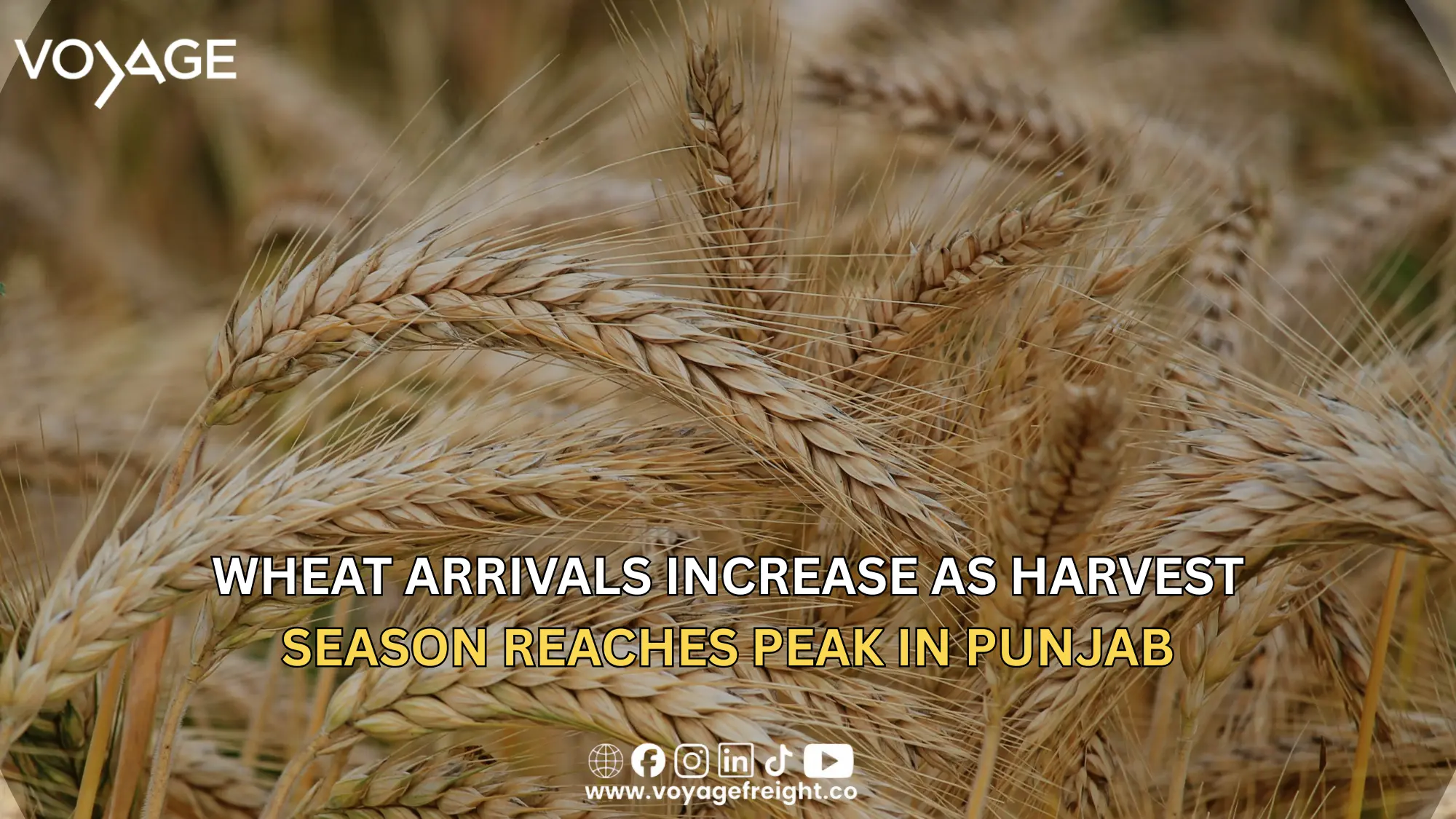
As April progresses, Punjab enters the most active phase of its agricultural cycle. The Wheat Arrivals Punjab 2026 season is now at its peak, with a steady inflow of freshly harvested wheat reaching mandis across the province. This period is crucial for farmers, traders, and supply chain operators, as it directly impacts pricing, storage demand, and overall market stability.
Strong Supply Flow in Mandis
Wheat arrivals have increased significantly across major mandi centers. Farmers are bringing their produce to markets as harvesting nears completion in many regions. This steady flow supports smooth trading activity and ensures better availability for buyers.
The consistent arrival pattern also helps maintain market balance, allowing both public and private buyers to manage procurement efficiently.
Impact on Prices and Market Stability
Higher wheat arrivals generally contribute to stable market conditions. With improved supply, price fluctuations are reduced, creating a more predictable environment for both farmers and traders.
This stability supports better planning across the agricultural sector and ensures smoother operations during the peak harvest period.
Rising Demand for Storage and Logistics
As wheat volumes increase, the need for efficient storage and transportation also grows. Warehouses across Punjab experience higher utilization, while logistics networks play a key role in moving grain from mandis to storage facilities.
This highlights the importance of modern supply chain systems in reducing losses and maintaining grain quality.
Conclusion
The Wheat Arrivals Punjab 2026 season reflects a strong supply phase as the harvest reaches its peak. Increased arrivals are supporting market stability while also putting pressure on storage and logistics systems. Moving forward, improving infrastructure and supply chain efficiency will be essential to manage high volumes effectively and sustain long-term agricultural growth in Punjab.