

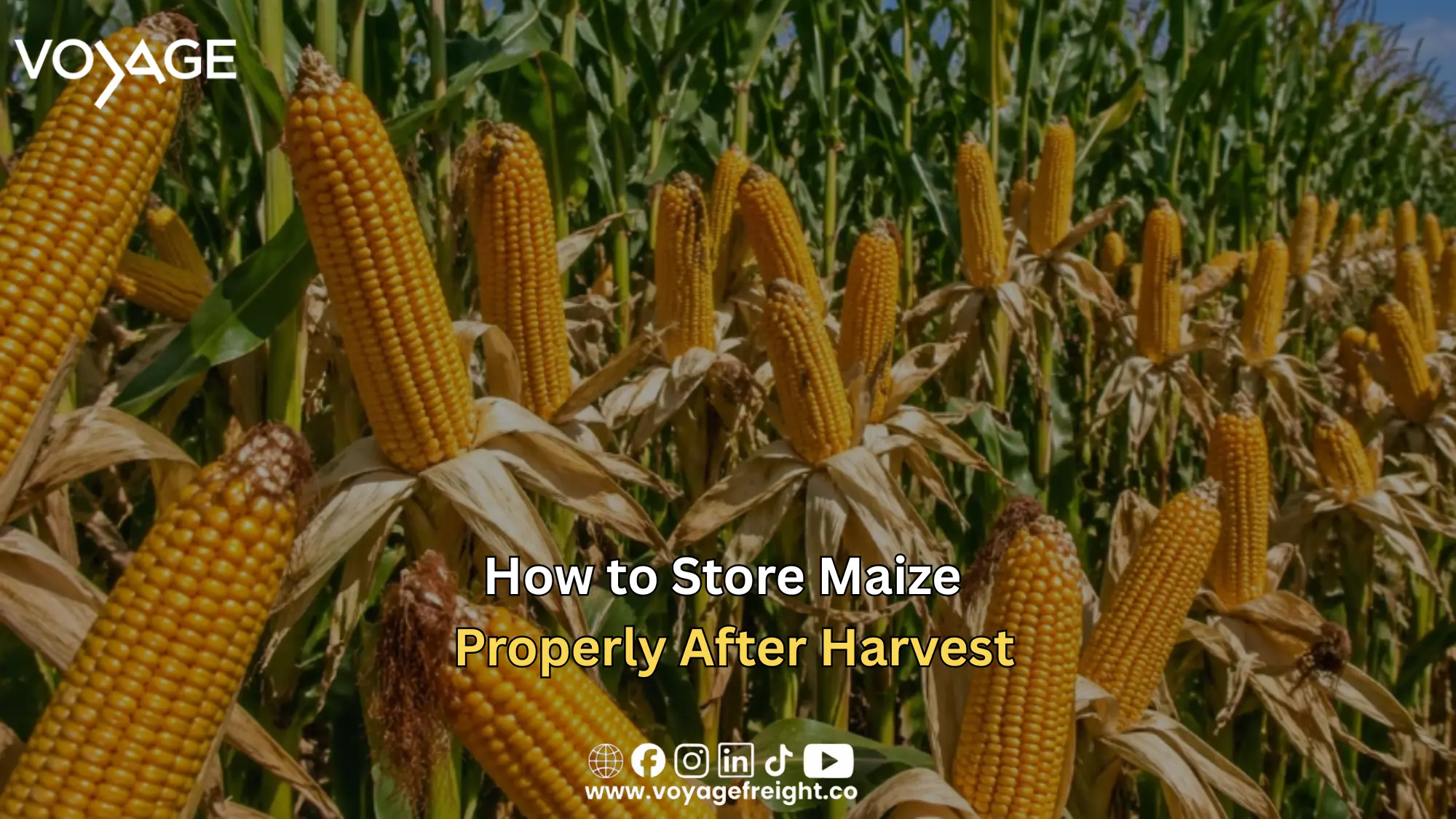
How to Store Maize Properly After Harvest
Introduction
Maize is one of the most important crops in Pakistan and plays a major role in the poultry, livestock, and food industries. Farmers spend months working hard to grow healthy crops, but proper storage after harvest is just as important as production itself. Poor storage methods can damage maize and lead to heavy financial losses.
Many farmers still use traditional storage systems that cannot fully protect grain from moisture, insects, heat, and fungal growth. As a result, a large amount of maize is wasted every year after harvesting. Proper storage techniques can help farmers maintain grain quality, reduce losses, and get better market prices for their crops.
Why Proper Maize Storage is Important
Proper maize storage is necessary to protect grain quality and prevent spoilage. If maize is stored in poor conditions, moisture can build up inside the grain, leading to fungal growth and bad odor. Insects and rodents can also damage the stored crop and reduce its market value.
Good storage practices help farmers keep maize safe for a longer period. It also allows them to wait for better market prices instead of selling immediately after harvest when prices are usually lower.
Dry the Maize Before Storage
One of the most important steps after harvesting maize is proper drying. Freshly harvested maize contains moisture that can quickly damage the grain if it is stored without drying.
Farmers should dry maize properly under sunlight or with modern drying systems until the moisture level becomes safe for storage. Dry grain reduces the risk of mold, fungus, and spoilage during long-term storage.
Use Clean and Safe Storage Facilities
Before storing maize, warehouses and storage areas should be cleaned properly. Old grain, dust, insects, and moisture inside storage facilities can contaminate fresh maize.
Modern warehouses and grain silos are better options because they provide improved ventilation and protection against environmental damage. Storage areas should remain dry, cool, and well-ventilated to maintain grain quality.
Protect Maize from Pests and Insects
Pest attacks are one of the biggest causes of grain losses after harvest. Insects and rodents can destroy a large quantity of stored maize if proper protection measures are not used.
Farmers should regularly inspect stored grain and use safe pest control methods when necessary. Sealed storage systems and proper hygiene can greatly reduce pest problems.
Monitor Moisture and Temperature
Moisture and temperature control are very important for safe maize storage. High humidity and heat can damage grain quality and increase the chances of fungal growth.
Many modern storage facilities now use digital systems to monitor moisture and temperature levels. Regular checking helps prevent spoilage and keeps the maize in good condition for longer periods.
Proper Handling and Transportation
Maize should also be handled carefully during loading, unloading, and transportation. Rough handling can break the grains and reduce quality. Clean transportation vehicles should always be used to avoid contamination.
Good handling practices help maintain grain quality from farms to warehouses and markets.
Conclusion
Proper maize storage after harvest is essential for reducing crop losses and maintaining grain quality. Drying maize correctly, using clean storage facilities, controlling pests, and monitoring moisture levels can help farmers protect their hard work and increase profits.
As Pakistan’s maize industry continues to grow, modern storage methods and better warehouse systems will become even more important. By improving storage practices, farmers and businesses can strengthen the agricultural supply chain and support long-term growth in the maize sector.