

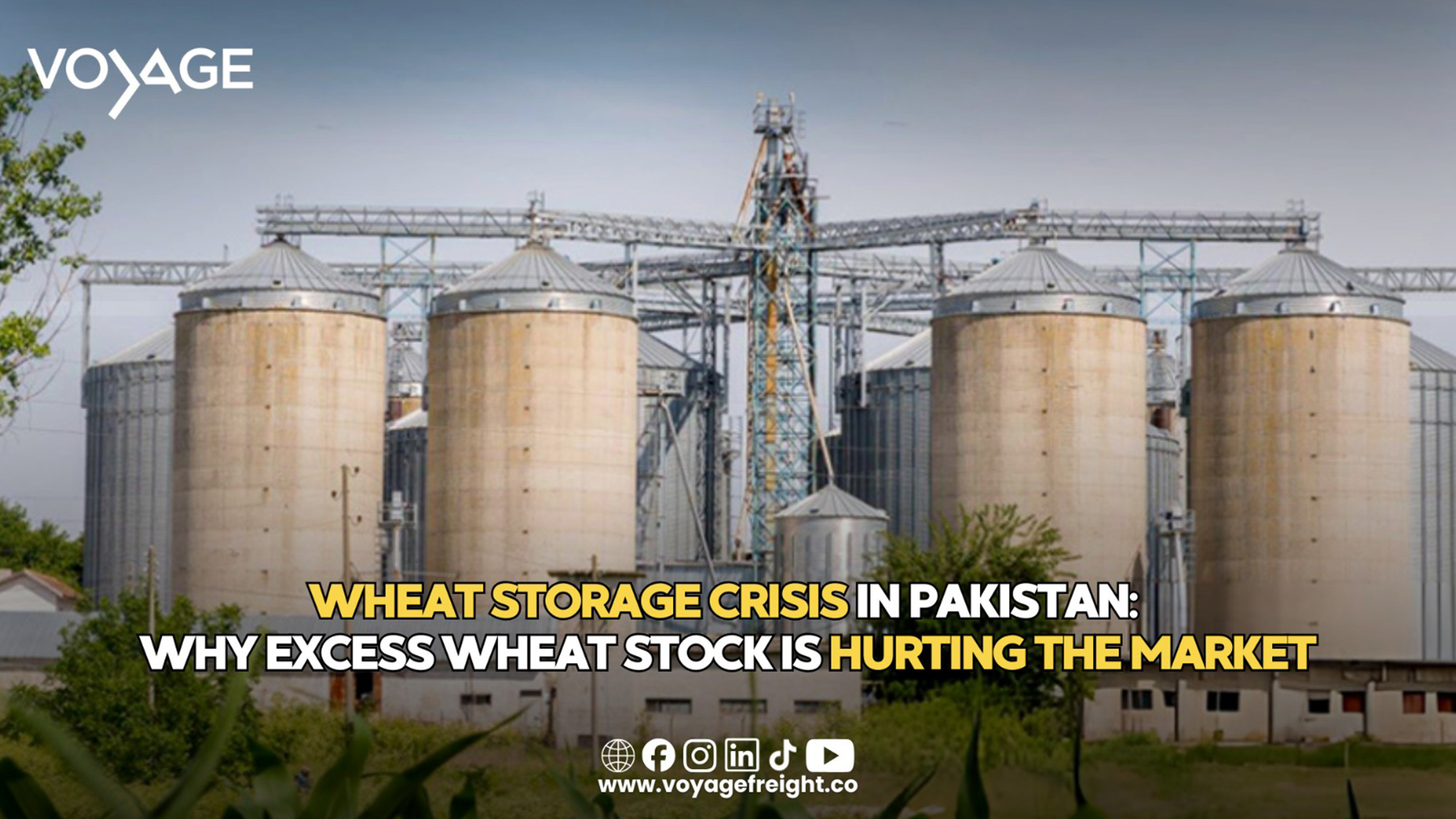
Wheat Storage Crisis in Pakistan: How Excess Wheat Stock Is Disrupting the Market
Wheat Storage Crisis in Pakistan: Why Excess Wheat Stock Is Hurting the Market
The Real Problem
Pakistan grows a lot of wheat every year. That sounds like good news — but it is actually creating a serious problem. Wheat storage in Pakistan has become one of the biggest challenges in the country’s agriculture sector. The country does not have enough good places to keep all that grain safe. This is causing real trouble for farmers, traders, and everyday people who buy food.
The issue is not that Pakistan grows too little wheat. The real problem is poor management of the wheat supply chain and a lack of modern storage systems.
Why Is There So Much Excess Wheat Stock?
The government buys large amounts of wheat each year to protect food security in Pakistan. But sometimes they buy more than needed. Farmers are also growing more wheat than before. At the same time, fewer countries are buying Pakistan’s wheat right now.
All of this means warehouses are getting too full — and the warehousing crisis in Pakistan is getting worse each season.
Storage Facilities Are Old and Limited
Most wheat is stored in old cloth bags. There are very few modern steel silos. There are also very few temperature-controlled units that protect grain from heat and moisture.
Because of poor wheat storage in Pakistan, a lot of grain gets damaged before it even reaches the market. It gets wet, insects eat it, or it simply goes bad in a hot, crowded space. This is called post-harvest loss — and it wastes both food and money.
It Is Costing the Government a Lot of Money
Keeping all this extra wheat is very expensive. The government pays for storage buildings, workers, security, and handling. As excess wheat stock in Pakistan keeps piling up, the costs keep rising too. This is money that could go toward schools, roads, or hospitals.
Wheat Prices Are Going Up and Down
When the government holds too much wheat and delays selling it, market prices go up artificially. When they suddenly release a big amount, prices crash. This makes it very hard for traders and shop owners to plan ahead.
This price swings are bad for everyone — especially low-income families, who spend a big share of their income on bread and flour.
Farmers Are Caught in the Middle
Farmers work hard to grow wheat, but the system is not supporting them. They often wait a long time to get paid. They don’t have good on-farm storage either. So at harvest time, they are forced to sell quickly — even at low prices.
This means less money in their pockets, even after a strong harvest. A fair and efficient Pakistan agriculture system should protect the people who grow the food.
The Supply Chain Has Big Gaps
The path that food takes from the farm to your table is called a supply chain. Pakistan’s wheat supply chain has many weak points. There is no clear picture of how much wheat is stored or where. Different provinces don’t share information well. Trucks and roads are poorly managed. Private companies are rarely involved.
All of these gaps make the system slow, wasteful, and expensive.
Offloading Wheat Is Only a Short-Term Fix
To ease storage pressure, the government has started releasing stored wheat into the market. This helps short-term — it brings prices down and frees up space.
But it does not solve the root cause. The broken systems are still there. Without real reform, the warehousing crisis in Pakistan will repeat itself every year.
What Needs to Change
There are clear steps that can fix this:
Modern storage infrastructure like steel silos and climate-controlled warehouses will keep wheat safe for much longer and reduce post-harvest losses.
Digital tracking tools will show how much wheat is stored, where it is, and when it should be sold — so decisions are based on real data, not guesswork.
Better roads and transport networks will help wheat move faster from farms to cities, cutting delays and costs across the wheat supply chain.
Private companies should also be brought in. When businesses compete to offer storage and logistics services, quality goes up and costs come down.
An Opportunity for Smart Businesses
This crisis is actually an opening for modern logistics and technology companies. Businesses offering digital platforms, smart warehousing, and end-to-end agri-logistics can grow fast in this space. The need is real, the market is large, and the time is now.
Final Thoughts
Pakistan does not have a wheat shortage — it has a management problem. Growing more food only helps if you can store it safely, move it quickly, and sell it at fair prices.
Better wheat storage in Pakistan is not just a technical fix. It is the key to protecting food security, supporting farmers, and building a stronger Pakistan agriculture system for the future.
The goal is simple: store smarter, move faster, plan better.