

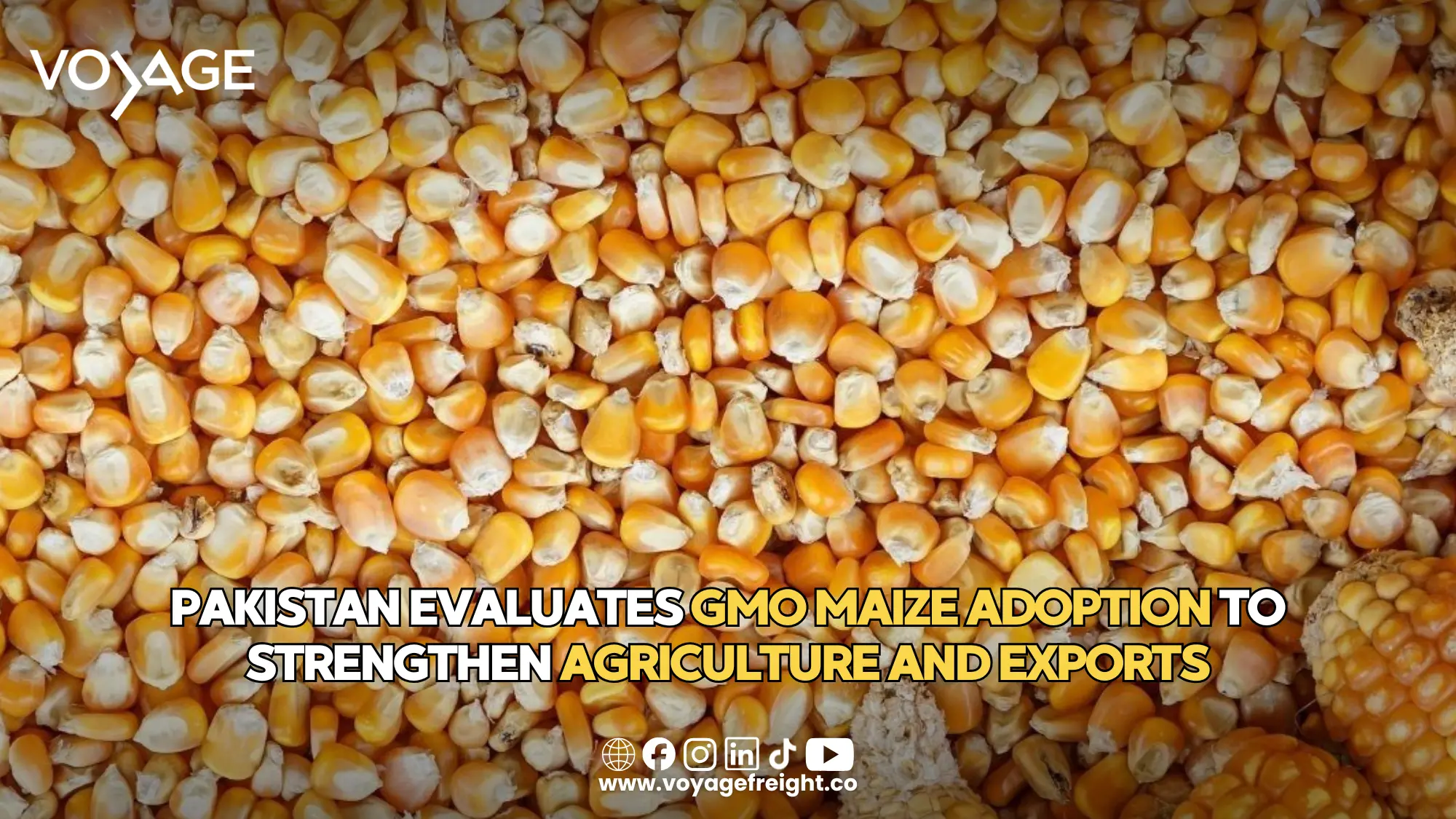
Pakistan Evaluates GMO Maize Adoption to Strengthen Agriculture and Exports
Pakistan is considering the regulated adoption of genetically modified (GMO) maize as part of a broader effort to modernize agriculture, improve crop productivity, and enhance export potential. The move reflects growing recognition that traditional farming methods alone may not be sufficient to meet rising food demand, climate challenges, and international market competition.
Maize is one of Pakistan’s key cereal crops and plays an important role in both the domestic food system and export economy. With increasing pressure on farmland and resources, policy makers are exploring advanced agricultural technologies to support sustainable growth.
Why GMO Maize Is Being Considered
Despite expansion in maize cultivation over recent years, per-acre yields remain below global benchmarks. Factors such as pest infestations, climate variability, and limited access to high-yield seed varieties have constrained productivity.
GMO maize is being evaluated because it has the potential to:
- Increase yields significantly
- Improve resistance to pests and diseases
- Reduce dependency on chemical pesticides
- Enhance crop consistency and quality.
These improvements could help farmers achieve better returns while strengthening national food security.
Economic and Export Potential
Maize contributes substantially to Pakistan’s agricultural exports. Improving productivity through modern seed technology could:
- Increase exportable surplus
- Support value-added agri industries
- Strengthen Pakistan’s position in global maize markets
- Generate higher foreign exchange earnings.
Higher yields and stable supply would also benefit logistics, warehousing, and agri-processing sectors by increasing demand for storage, transport, and export-oriented infrastructure.
Focus on Regulation and Biosafety
Any potential adoption of GMO maize is expected to follow strict regulatory and biosafety
frameworks. Authorities have emphasized that environmental safety, human health, and
consumer confidence will remain key considerations throughout the evaluation process.
The goal is to ensure that biotechnology adoption is:
- Science-based
- Transparent
- Aligned with international standards
- Supportive of farmers’ interests
Part of a Broader Agricultural Modernization Strategy
The discussion around GMO maize is part of a wider shift toward technology-driven agriculture in Pakistan. Alongside biotechnology, efforts are being made to promote:
- Digital agriculture
- Improved seed varieties
- Mechanization
- Climate-resilient farming practices
These initiatives aim to improve efficiency across the agricultural value chain—from production
to storage, logistics, and exports.
Potential Impact on the Agriculture Value Chain
If adopted responsibly, GMO maize could positively impact:
- Farm productivity and income stability
- Agri-logistics and warehousing demand
- Food processing and feed industries
- Export supply chains
This could create long-term opportunities for agribusinesses, logistics providers, and storage
operators supporting the agriculture sector.
Conclusion:
Pakistan’s consideration of GMO maize highlights a growing commitment to modernizing agriculture through innovation and technology. While careful evaluation and regulation remain essential, the initiative signals a forward-looking approach aimed at improving productivity, strengthening exports, and ensuring food security.
As global agricultural practices continue to evolve, Pakistan’s ability to adopt advanced
solutions responsibly will play a key role in shaping the future of its agricultural economy.