

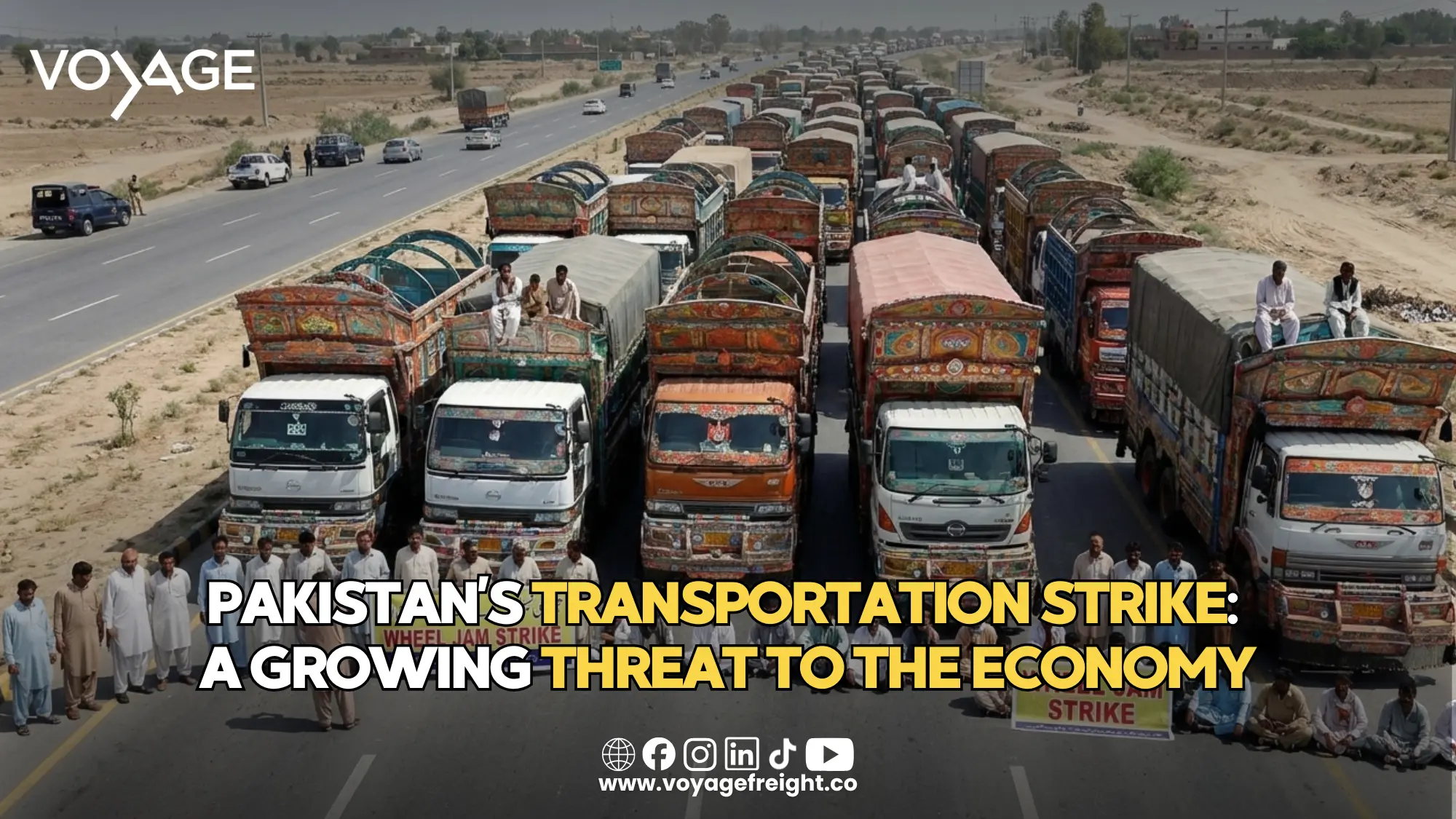
Pakistan’s Transportation Strike: A Growing Threat to the Economy
Pakistan’s ongoing transportation strike has entered its tenth consecutive day, raising serious concerns about its economic impact. Analysts warn that the prolonged disruption could cost the country up to $1 billion, as the movement of goods across key trade and industrial routes remains severely affected.
What Triggered the Strike?
The strike was initiated in response to a series of policy changes affecting the transport sector. These include stricter axle load limits, increased toll charges, and heightened enforcement on highways. Transporters argue that these measures have significantly raised operational costs, making it difficult for them to sustain business without adjustments or relief from the government.
Disruption Across Supply Chains
The halt in transportation has disrupted the flow of goods between ports, factories, warehouses, and domestic markets. As a result, supply chains across multiple industries are under stress. Export-oriented sectors, in particular, are struggling to meet delivery schedules, leading to delays, penalties, and rising logistics costs.
Heavy Losses for the Textile Industry
The textile sector, Pakistan’s largest export industry, has been hit especially hard. Industry sources estimate daily losses exceeding $60 million due to stalled shipments, demurrage at ports, and detention charges on containers. With exports unable to move efficiently, manufacturers face cancelled orders, strained buyer relationships, and increased financial pressure.
Inflation and Economic Stability at Risk
Although some transporters have partially resumed operations, a significant number remain on strike. This continued uncertainty is raising fears of inflationary pressures, as shortages and higher logistics costs could push prices up. Economists also warn that prolonged disruptions may negatively impact the current account deficit, export earnings, and overall economic stability.
The Need for Urgent Resolution
As the strike drags on, the need for dialogue between the government and transport stakeholders becomes increasingly urgent. A balanced solution that ensures road safety and regulatory compliance while addressing the concerns of transporters is critical to restoring normal trade activity.
Without swift action, the transportation strike risks causing long-term damage to Pakistan’s economy, weakening exports, disrupting industries, and placing additional strain on consumers and businesses alike.